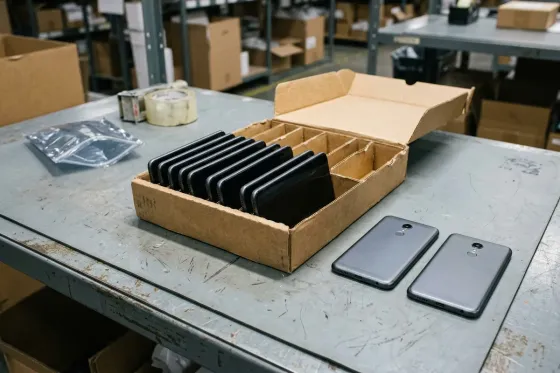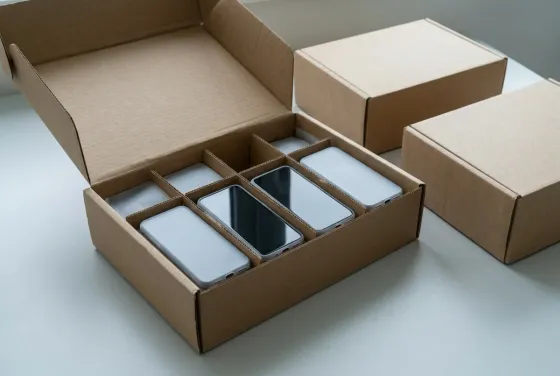
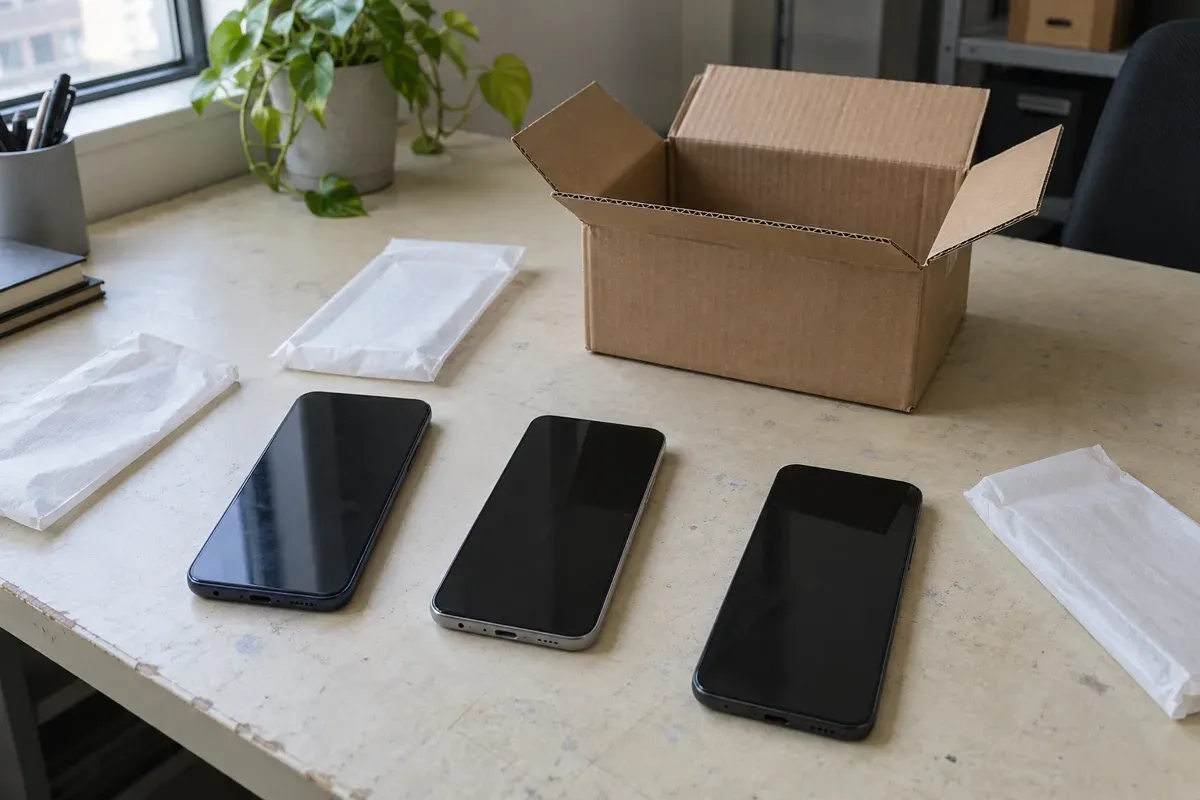
Approving a large phone order from an untraceable sample risks accepting different stock. Request the exact version, condition and sample origin in writing, then retain the unit records for comparison before approving the larger order. Use the copyable request and worksheets below to keep that decision traceable.
To request samples before placing a wholesale order on Alibaba.com, contact the supplier with the product details, sample requirements and delivery address, then agree the sample order before paying. For existing phone inventory, add a question the listing alone cannot answer: were these units selected from the identified lot you intend to buy, or are they only available-stock examples? This guide helps importers and resellers record that answer, preserve what they actually received, and log later differences. It does not prescribe sample quantities, acceptance thresholds or a statistical sampling plan.
Establish what the sample represents
Ask the seller to describe the source in plain language. Alibaba.com’s sample guide, published February 2021 and checked October 2026, distinguishes factory, custom, production-batch and virtual samples. Those are general marketplace categories. They do not establish the origin of a used-phone lot.
For a phone purchase, use the following questions to make the seller’s description specific:
For used or refurbished stock, describe a supplier stock lot or refurbishment lot as the seller identifies it; do not silently turn it into a manufacturer production batch. If the source cannot be established, record Unknown and decide whether a separate inspection of the later lot is needed. A sample origin statement does not replace supplier identity and payee verification.
Send a sample request the seller can confirm
Use the message below with your own supplier. Replace every bracketed field, delete inapplicable items and keep the seller’s acknowledgment with the order.
We are evaluating [exact model code, regional version, storage and condition] for resale in [destination]. Before considering [proposed later order and SKU mix], please confirm whether you can supply [requested sample quantity and variants] for evaluation.
State whether the samples are available-stock examples or units selected from the identified later lot. Provide the source-lot reference, stock location, selection date, who selects the units and any differences you already know about. If the source relationship is unknown, please state that.
Confirm the sample unit identifiers before dispatch, or explain when they will be available. Confirm included accessories, packaging, sample charge, shipping charge and currency, delivery address [address], dispatch arrangements and any agreed return or later-order credit terms.
Please confirm the attached specification and evaluation criteria [file/version]. We will record the sample observations separately from any approval of the later lot. Before that approval, we need [agreed access, lot documents and comparison process]. Please identify any condition you cannot meet.
Alibaba.com’s guide recommends a detailed request and explains that sample charges and shipping vary by seller; a credit against a later order is something to negotiate. Obtain the actual amounts and conditions instead of assuming a free sample or automatic credit.
For a Trade Assurance order, check the actual order details and current terms before payment. Alibaba.com’s protection page describes an on-platform agreement, payment and assistance resolving order issues. Keep the sample specification and any agreed later-lot requirements in the relevant order record. These worksheets do not establish eligibility or guarantee a dispute outcome.
Record claimed origin separately from observed condition
Download the sample request and provenance form (CSV), or copy these fields into your purchasing file. Keep one unit record per received phone; repeat the shared order fields as needed. The CSV separates the requested value, seller statement and received-unit observation.
Do not copy a seller’s description into the observed-result field. Where an item has not been checked, enter Unknown / verify on the unit. Keep complete identifiers in your transaction file and redact them in publicly shared copies.
Use the global vs China version guide to define the version questions, and the bulk-phone QC checklist for lock, battery and functional records. This page records how those results connect to the sample and later lot; it does not repeat the tests or set a universal pass threshold.
Preserve a comparison pack before the baseline changes
Keep the received-unit evidence and, where practical under the purchase arrangement, the sample itself. If you return or resell it, record when it left your custody and which evidence remains. The purpose is to preserve the basis of your decision.
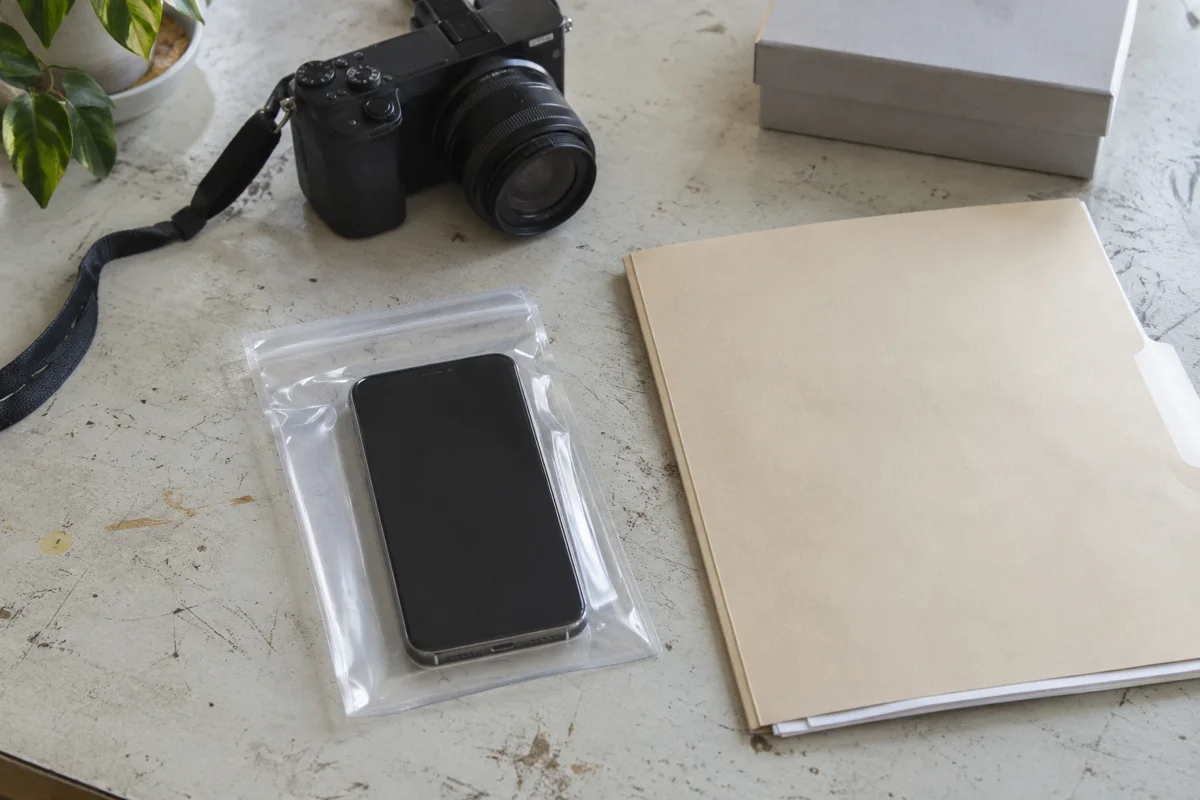
Save the original observation before changing the phone’s software or condition. Later observations belong in a new dated entry. A retained handset that has since been repaired or updated should not silently replace the original comparison record.
Log later-lot differences against an agreed criterion
Identify the later goods before comparing them. Connect each checked later unit to its lot/carton and compare it with the agreed specification, using the sample record as supporting evidence. A sample characteristic that was never agreed for the larger order needs clarification; the sample alone does not write the contract.
Download the trial-versus-later-lot deviation log (CSV). Use one row for each difference, with these fields:
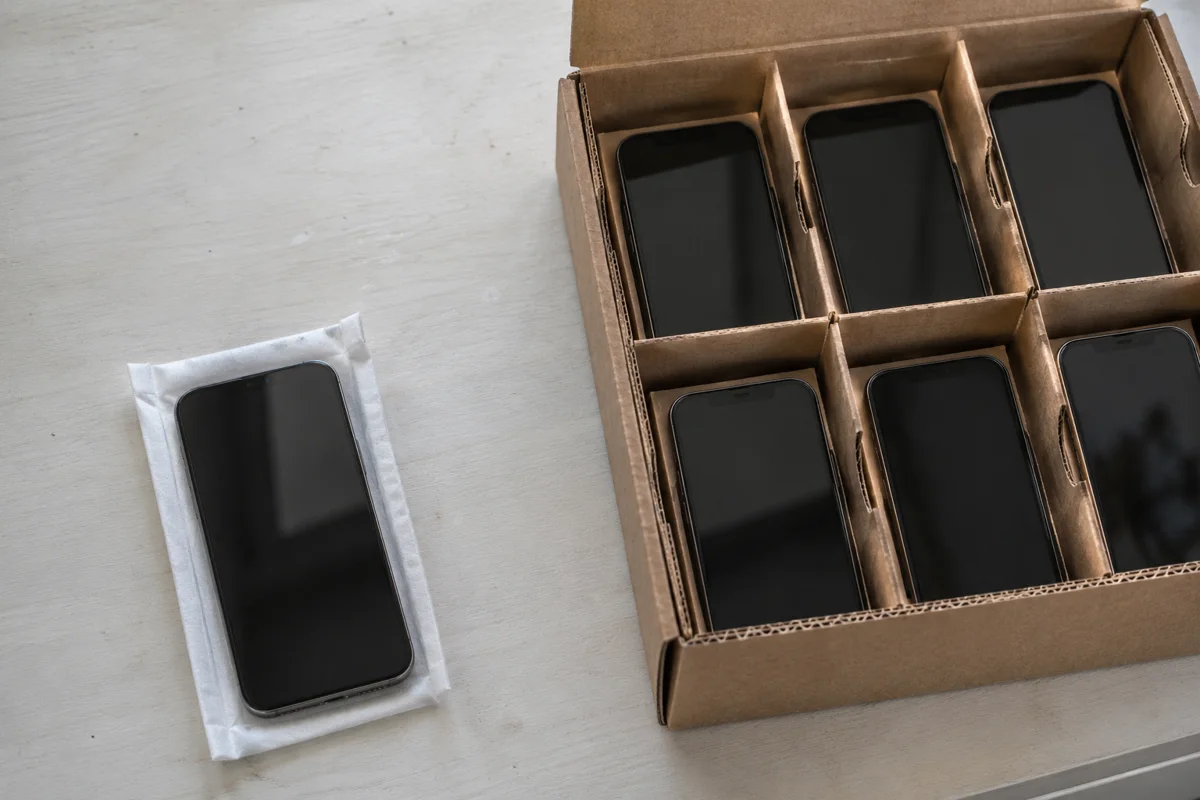
Hypothetical example, not a PhoneBulk inspection: the order calls for an unmodified regional version, and the retained sample record documents that version. A checked later unit shows a different build. Log the two unit references, specification revision, dated observations and the difference. Ask the seller to explain the affected scope and agree the next check before approving those goods. Do not rewrite the baseline to match the delivery, or mark unchecked cartons as passing.
If the later lot has a different source reference, record that explicitly. Ask what relationship, if any, the seller claims between the two lots. Where the available evidence cannot establish equivalence, keep that issue open and agree evaluation of the actual later stock.
Decide what the evidence supports
A sample observation supports a conclusion about the identified units under the recorded conditions. It does not by itself establish a whole-lot defect rate, future supply quality or destination acceptance.
- If source evidence is missing, keep provenance Unknown and request the missing record or inspection access.
- If an agreed criterion differs, record the affected units and pause the relevant approval while the action is resolved.
- If checked units meet the criteria, state exactly what was checked and use the separately agreed lot-release process for the remaining goods.
Return to the phone-sourcing guide for the wider supplier, payment and delivery decisions. Keep the sample record, later-lot log and final approval together so a colleague can reconstruct why the purchase proceeded.
Method and sources
Updated October 2026. This guide combines Alibaba.com’s general sample guidance with an editorial recordkeeping workflow for phone buyers. The forms are blank working templates; the example is hypothetical. PhoneBulk has not inspected a supplier or lot, and the workflow is not an ISO sampling plan, contractual remedy or legal guarantee.
The Alibaba.com sample guide was published February 3, 2021; both primary pages were accessed October 16, 2026. Historical sample-price examples and legacy protection limits are not used here. Check the current order terms for your transaction.
Sources and methodology
- How to request samples before placing a wholesale order on Alibaba.com — Alibaba.com Accessed October 16, 2026.
- Trade Assurance protects your Alibaba.com orders — Alibaba.com Accessed October 16, 2026.
Update history
- — First published. Official sources on this page were accessed on this date unless a later note says otherwise.
Factual corrections after publication are listed on the corrections page. Editorial responsibilities and review methods are described in the editorial policy.