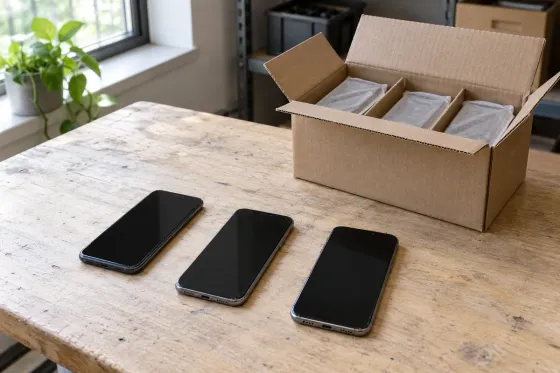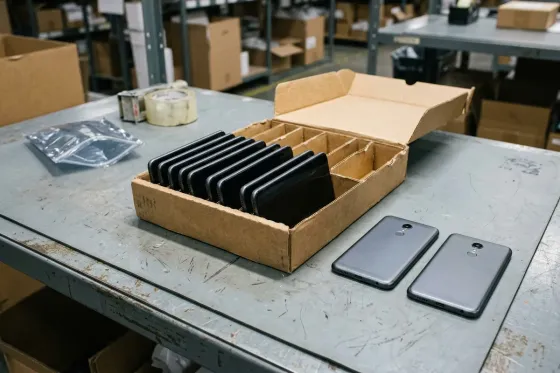
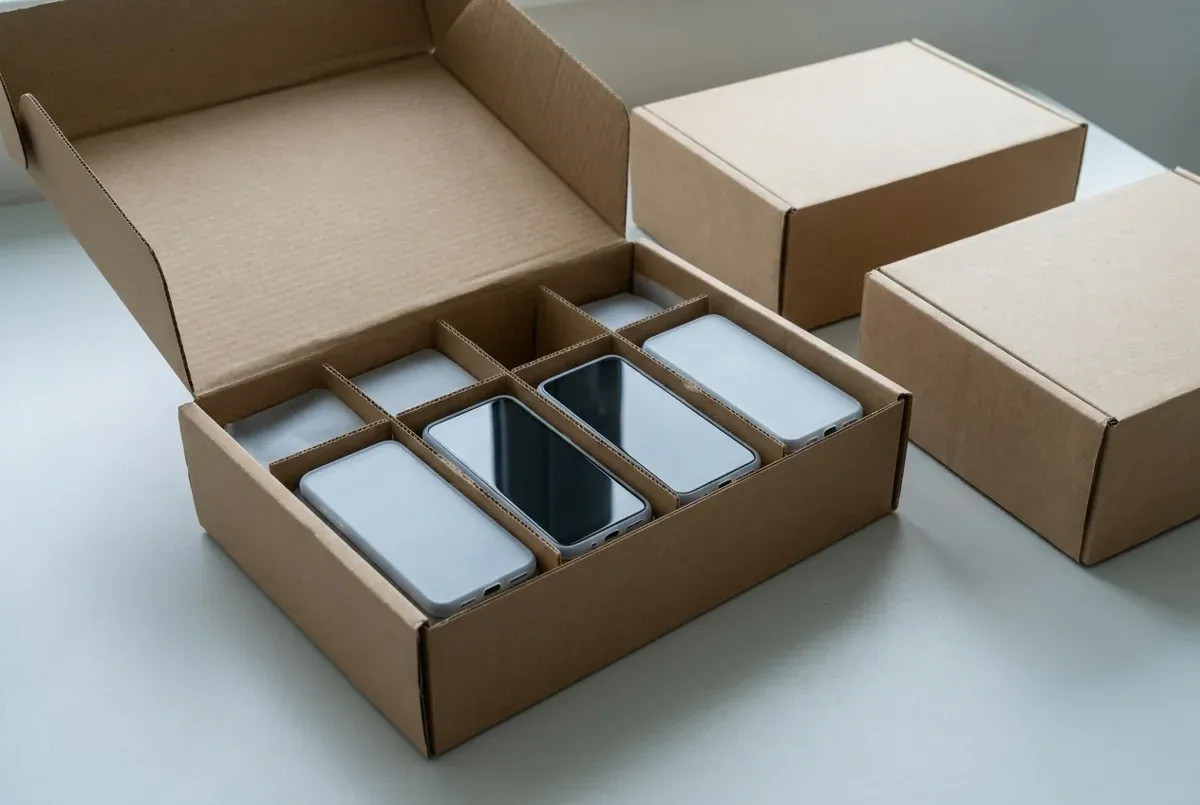
A delayed phone lot can leave resale inventory unavailable. For a commercial shipment delayed after a U.S. entry has been filed, start with the filing party’s written status and the exact unresolved request. Then use the triage sheet below to assign one owner and record the response. A tracking label alone does not tell you which document to correct, whether an examination is underway, or whether collection is the remaining task.
This guide starts after filing, for the importer coordinating a defined lot. If the source, route or delivery responsibilities are still undecided, return to the phone-sourcing guide. Classification, tax rates and reusable-versus-waste assessment belong in the used-phone customs review.
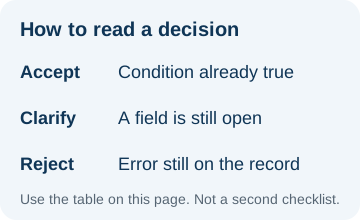
Identify the unresolved step before choosing a fix
Ask the broker or carrier clearance team to connect the status to your entry and transport reference. Request the message or notice, its timestamp and time zone, the affected goods, and the next action. If the seller only says “customs problem,” ask for the filing party’s confirmation rather than treating that explanation as a diagnosis.
FedEx’s clearance-delay FAQ (linked in Sources below) lists missing or inaccurate paperwork, further agency processing and missing pieces among possible causes. That is carrier guidance from its Canadian site, not a determination about a U.S. phone entry. Use it to frame questions; use your shipment’s records to select the row below.
Keep “unknown” visible. If the broker has not confirmed an examination, leave that field unknown. Do not upgrade “under review” into an inspection, detention or seizure based on a tracking screen. If there is a formal notice, preserve its wording and obtain shipment-specific advice about its requirements and deadlines.
Match a document request to the actual phone lot
Answer the specific request with consistent records. FedEx’s U.S. customs guidance emphasizes accurate descriptions, values and information that agrees across documents. For a mixed phone lot, our recommended response file makes that consistency check explicit:
This is an editorial matching checklist, not a universal mandatory document list. Send sensitive importer and payment records through the verified broker or carrier channel. Ask what is needed before circulating a full unit-level file.

For example, if the request concerns a quantity mismatch, explain the device count and carton count separately and attach the matching packing-list version. Do not assume that resending the invoice answers a question about a missing carton. If a declaration needs correction, let the filing party identify the appropriate procedure; preserve the original and the corrected version with an explanation.
A classification or reuse-status question needs its own evidence review. Use the customs classification and reuse guide for that work rather than copying a code or changing the goods description to seek release.
Copy this broker handoff record
Give the filing party one coherent response, then obtain acknowledgement of what it received and what remains open. Copy the following fields into your own working document; this is a PhoneBulk recording aid, not a CBP form.
Hypothetical example — a record format, not a completed shipment:
A sent attachment is not confirmation that the request has been satisfied. Keep the item open until the receiving party explains its disposition. When there is no new status, record “no update received” and the last confirmed event instead of replacing the old event with today’s date.
If an examination is confirmed, coordinate access and charges
Follow the actual notice and broker’s instructions. Ask where the goods are, who arranges access or movement, who can authorize the next step, and which documents remain outstanding. Sending more product photographs does not establish that a physical examination is complete.
The official April 1, 2025 edition of 19 CFR 151.6 addresses the examination location and assigns the importer the expense of preparing merchandise for examination and closing packages, with an exception for examination required at public stores. This archived provision supports that limited cost point; it does not quote your terminal’s charges or establish a completion time.
Request an itemized statement of examination preparation, movement and storage charges where applicable, identifying the provider and charging period. Ask the custodian about any applicable storage deadlines and collection conditions. Record those commercial deadlines separately from deadlines in an authority’s notice. Check the agreed Incoterm and named place when discussing who bears a charge under the purchase contract.
Do not plan resale availability from a generic clearance-duration estimate. Ask for the next verifiable milestone: response acknowledged, examination arranged, further request answered, release confirmed, or collection booked. An agreed update time is a communication checkpoint, not a promise of release.
Confirm release, collection and receipt separately
Release is not delivery confirmation. FedEx’s U.S. description of the clearance roles places retrieval and final delivery after customs processing. For your own route, ask the broker to confirm the release record and any remaining requirements, then ask the cargo custodian whether the lot is available for collection.
Close the transport record only when the receiving team can match the delivery to the expected cartons and identify any shortage or damage. Keep the carrier’s delivery event, receiving count and exception photographs together. Border release, transport receipt and acceptance of the phones are separate records; none establishes that the devices meet your purchase requirements.
Method and sources
Updated October 2026. This guide combines the linked carrier guidance and official regulation archive with editorial recommendations for organizing a broker handoff. No phone lot was inspected, no clearance duration was measured, and no release outcome is claimed. The examination citation is explicitly the 2025 annual edition; the filing party must check the rules and notices applicable to the actual entry.
The triage and handoff tables help you record evidence after filing. They do not decide admissibility, replace a formal notice, or determine tariff treatment. The next useful action is to complete the unknown fields with the broker or carrier handling your shipment.
Sources and methodology
- Customs clearance — documentation, consistency and delivery roles — FedEx Accessed October 15, 2026.
- Clearance delay — carrier status examples — FedEx Canada Accessed October 15, 2026.
- 19 CFR 151.6, Place of examination — April 1, 2025 edition — U.S. Government Publishing Office Accessed October 15, 2026.
Update history
- — First published. Official sources on this page were accessed on this date unless a later note says otherwise.
Factual corrections after publication are listed on the corrections page. Editorial responsibilities and review methods are described in the editorial policy.