Updated October 2026.
A smaller handset order can still waste cash when more of it moves before anyone opens a carton.
Send one written trial shape, then compare cash exposure, SKU mix, and inspection rights on the same sheet before you accept the lower count.
This page is for a reseller or importer who already has a handset minimum and wants a smaller first lot. How a phone MOQ works is where the mix math and the sellable-unit cost sit. Factory setup fees for a custom-built phone are outside this sheet.
A lower MOQ is a written counterproposal matched to the supplier’s objection. If they object to picking units, use the single-SKU shape and leave any handling surcharge blank. If they object that one model will not fill a shipment, use the agreed-mix shape with a count on every model, storage, and color. If they object that one small dispatch is not worth making, use staged deliveries and keep an inspection line on each release. The U.S. International Trade Administration says requiring payment in advance is the least attractive option for the buyer, because the importer pays the full amount or a significant amount before shipment (Cash-in-Advance page, accessed 11 October 2026). A lower count that moves more cash before inspection is a larger exposure. Leave the deposit blank. A factory-sourcing deposit percentage is not a phone-lot rule.
Which objection are you answering?
Put the supplier’s reason in their words into one bin before you choose a shape.
- Picking. They do not want to pull units out of a carton. The single-SKU proposal is the one that answers this.
- Mix. They will ship only a balanced assortment. The agreed-mix proposal answers this, and only if every line has a count.
- Shipment frequency. They will not make one small dispatch. Staged deliveries answer this, with a separate inspection line on each release.
If the limit is your cash, your inspection time, or what you can sell, write that on your side of the sheet. Do not describe it as their concession. A proposal that hides your limit often comes back as a higher advance or a worse mix.
Takeaway: Name their constraint before you pick a shape. Your cash limit is not their concession.
How do the three trial shapes compare?
Same columns for each shape. Unknowns stay blank. Nothing in this table is a price, a lead time, or a promise that the supplier will accept it.
What do you paste for a single SKU?
Use this when the objection is picking. One line only. If the model, storage, color, or inventory state is still open, this shape is not ready to send.
Trial proposal A — single SKU
Date:
Supplier objection, in their words:
SKU (one line only): model / storage / color / inventory state (unused, used, or refurbished)
Quantity: [supplier fills]
Unit price: unchanged from your offer dated ______, unless you write a different figure
Surcharge for this smaller count: [supplier fills the amount and what it covers]
Cash that moves before inspection: [supplier fills — buyer is not offering a higher advance]
Inspection: buyer opens the units on this line at [place] before any further cash moves.
A unit that fails the written check is: [exclude / replace / reprice — supplier writes one]
Payee legal name:
This proposal does not reserve a later lot and does not promise a future volume.
What do you paste for an agreed mix?
Use this when the objection is balance across models. A mix without counts is the carton they choose at packing. Mixed-SKU phone orders is where that packing problem is spelled out. This proposal is the counteroffer: every line named, or the shape is not agreed.
Trial proposal B — agreed mixed SKU
Date:
Supplier objection, in their words:
Lines (add a row per model / storage / color / inventory state):
  1. ______  count: [supplier fills]
  2. ______  count: [supplier fills]
  3. ______  count: [supplier fills]
Quantity total: [supplier fills]
Unit price per line: unchanged from your offer dated ______, unless a line says otherwise
Surcharge for this mix or this total: [supplier fills the amount and what it covers]
Cash that moves before inspection: [supplier fills — buyer is not offering a higher advance]
Inspection: buyer opens units from every line at [place] before any further cash moves.
A unit that fails the written check is: [exclude / replace / reprice — supplier writes one]
Payee legal name:
Counts can change only by a written replacement line. "We will balance" is not a count.
This proposal does not reserve a later lot and does not promise a future volume.
What do you paste for staged deliveries?
Use this when the objection is one small dispatch. Each release is its own cash line and its own inspection line. A later release is not held for you unless they write the hold, the SKU lines, and what cancels it.
Trial proposal C — staged deliveries
Date:
Supplier objection, in their words:
Release 1
  SKU lines and counts: [supplier fills]
  Cash before inspection of this release: [supplier fills]
  Inspection place and units:
  What a failed unit does to this release's payment: [exclude / replace / reprice]
Release 2
  SKU lines and counts: [supplier fills, or "not reserved"]
  Cash before inspection of this release: [supplier fills]
  Inspection place and units:
  What cancels this release:
Surcharge for splitting the dispatch: [supplier fills the amount and what it covers]
Payee legal name:
Release 2 is not reserved stock unless this sheet says it is reserved, names the lines, and names what cancels it.
This proposal does not promise a future volume beyond the releases written here.
How do you score the reply?
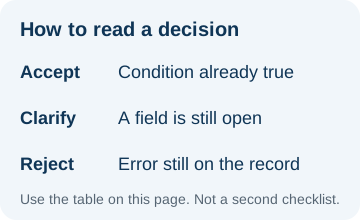
Copy their current offer into the first column before you send anything. When a shape comes back, fill only what they wrote. An empty cell is unknown. It is not zero.
Then put the goods total, and only the extra costs that are not already inside those terms, into the landed-cost calculator. Put the units you expect to sell, for a window you state, into the profit calculator. The MOQ page already separates cash required from cost per sellable unit. Do not count the same unsold units as both a cash cost and a profit loss.
Takeaway: If the reply raises cash before inspection, keep the old column. The lower count is not the better deal.
What do you keep on every proposal?
Two fields stay on A, B, and C.
Inspection. The place, the units you open, and what a failed unit does to payment are written before any further cash moves. The same ITA page says an escrow service can hold funds with a third party until the conditions the parties specified are met, including that the goods have been sent, and that the importer then has a pre-agreed time to inspect and accept. That page does not set the time for a phone lot. Write the time you and the supplier actually agree, or leave it blank. Do not copy a duration from an example.
Payee. The legal name on the proposal matches the account you already checked. How to verify a phone supplier before you pay is that check. A lower count does not relax it.
The same ITA page calls cash-in-advance the most secure method for the exporter. Offering a larger advance to “win” a smaller count hands that security to them and takes the inspection window away from you.
When this sheet does not apply
- The supplier has not stated a minimum or a mix rule. Record those two fields first. This sheet has nothing to counter yet.
- You cannot name the model you will sell. A single-SKU proposal with an open model is not single-SKU.
- You are asking a factory to build a new handset. Their constraint can be a production setup. This sheet does not estimate setup cost, and a used-phone trader’s carton is not that factory run.
- The reply increases cash before inspection, drops the right to open units, or replaces counts with “we will balance.” Keep the current-offer column.
Reference sources and scope
The payment risk definitions follow the U.S. International Trade Administration’s Cash-in-Advance guidance, which notes that wire transfer and check payments before shipment place non-delivery risk on the buyer. Handset trial-order structures should always keep cash exposure, SKU mix, and incoming inspection windows on the same written purchase order.
Key takeaways
- Sort the supplier's objection into picking, mix, or shipment frequency before you choose a shape.
- Leave quantity, surcharge, and cash before inspection blank. Do not raise the advance to win a lower count.
- An agreed mix without a count on every line is not agreed.
- Each staged release keeps its own inspection line. A later release is not reserved stock unless they write that.
- Score the reply on the worksheet, then run the filled cash line through the landed-cost calculator.
Frequently asked questions
What does MOQ stand for in wholesale?
Minimum order quantity, the smallest amount a supplier will sell on the terms they stated. On a phone lot that amount is incomplete until the mix rule is written. The three proposals on this page change the shape of the offer. They do not set an industry minimum.
How to negotiate lower prices with suppliers?
This page does not change the unit price. Record quantity, the SKU lines, any surcharge, and the cash that moves before inspection. Then put the filled goods total into the landed-cost calculator and the units you expect to sell into the profit calculator. A lower count with a higher advance is a different offer.
What if the supplier will not lower the MOQ?
Keep their current offer in the first column of the worksheet. Do not raise the cash that moves before inspection to buy a lower count. If all three shapes come back with the same count, the same forced mix, or more cash before inspection, that floor does not fit the lot you can fund and inspect.
Sources and methodology
- Cash-in-Advance — U.S. International Trade Administration Accessed October 11, 2026.
Update history
- — First published. Official sources on this page were accessed on this date unless a later note says otherwise.
Factual corrections after publication are listed on the corrections page. Editorial responsibilities and review methods are described in the editorial policy.